Choosing the Right Custom Home Builder: Key Factors to Consider
Picking the most suitable custom home builder is a critical consideration that can profoundly influence the success of a project. Several considerations, such as the builder's track record, standing, and communication approach, hold significant importance. Recognizing one's own objectives and expectations is equally important. As aspiring homeowners consider report these factors, they must also examine flexibility in design and pricing transparency. Each factor requires careful consideration, encouraging a deeper look of what ultimately determines a construction professional the best match.
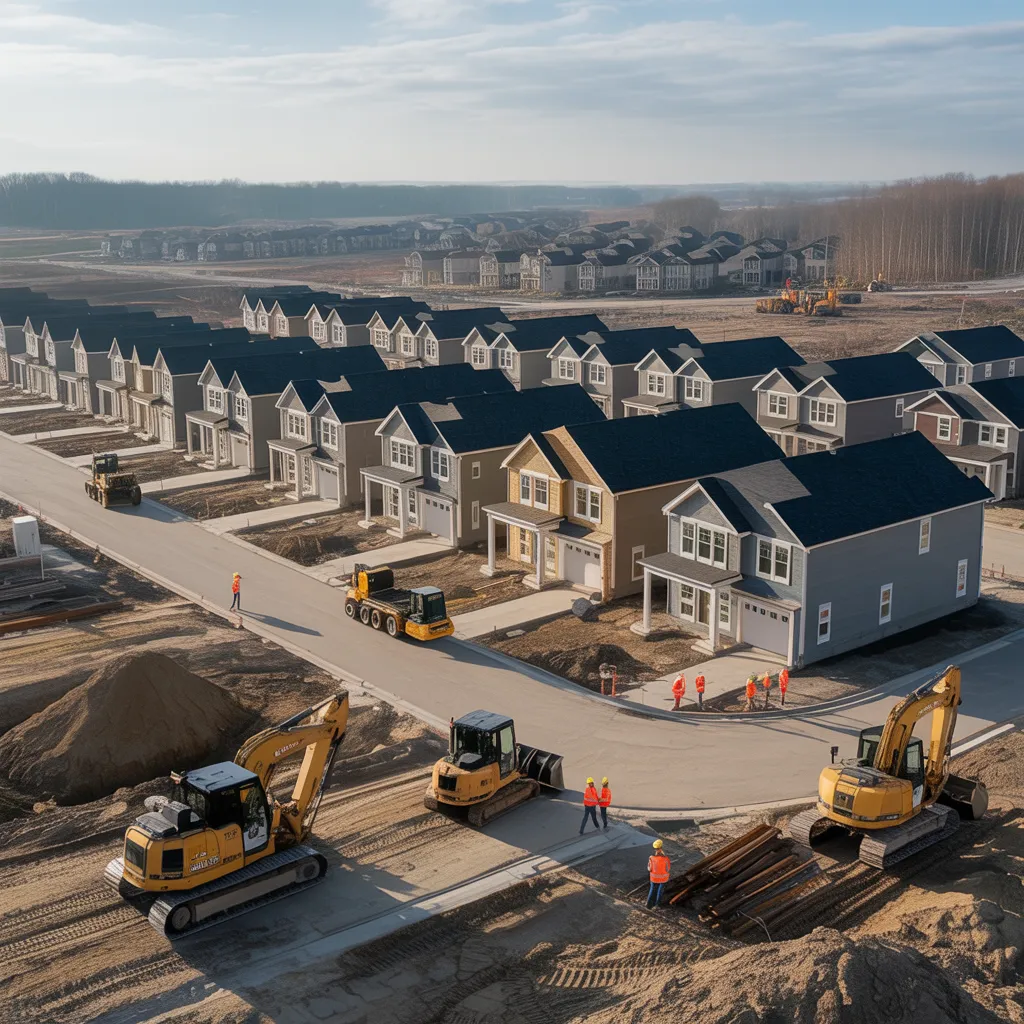
Investigating Builder Experience and Reputation
When picking a custom home builder, investigating their experience and reputation is crucial. A builder's history of work can reveal key details regarding their reliability and craftsmanship. Prospective homeowners should seek out builders with a background of accomplished builds that correspond to their preferred aesthetic and standards. Reviewing online feedback and testimonials can reveal the experiences of previous clients, showcasing both advantages and shortcomings.
Additionally, it is helpful to verify any trade certifications or associations, as these frequently demonstrate a adherence to professional practices. Consulting with local real estate professionals or touring finished properties can also yield useful information on a builder's craftsmanship. Researching details about how long a builder has worked in the industry can further support your evaluation, as extended operation often indicates consistency and proficiency. Ultimately, comprehensive investigation of a builder's background and standing creates a reliable framework for a successful home-building journey.
Comprehending Your Vision and Requirements
How can homeowners best express their vision and needs when beginning a custom home project? Clear communication is key. Homeowners should begin by defining their lifestyle requirements, like the number of family members, daily schedules, and plans for the future. This foundational understanding helps shape the overall layout and functionality of the home. Tools such as inspiration boards or sketches can further help in communicating particular design preferences, spanning architectural designs to color selections.
Additionally, outlining spending parameters empowers builders to deliver feasible choices without undermining the homeowner's aspirations. Ongoing evaluation on key objectives ensures that the building endeavor stays consistent with evolving needs. Participating in transparent dialogues with household members can further refine concepts, making certain all considerations are incorporated. At its core, a thoroughly expressed blueprint functions as a foundational roadmap, allowing contractors to convert initial concepts into physical structures while nurturing a unified effort across the project lifecycle.
How to Assess Builder Communication and Collaboration?
Strong communication and team dynamics are vital considerations when evaluating a custom home builder. Examining prompt response rates, studying communication methods, and observing collaborative team behaviors can reveal important details about a builder's operational performance. By focusing on these aspects, clients can better determine if a builder aligns with their project needs.
First Response Time
Timely communication serves as a pivotal indicator of a contractor's professionalism and organizational ability. When evaluating custom home builders, future homeowners should take note of how quickly builders respond. A builder who promptly acknowledges inquiries demonstrates respect for the client's time and shows readiness to engage in the project. Fast response times typically signal an efficiently managed team that places customer care at the forefront. On the other hand, slow responses may indicate underlying problems within the builder's workflow, such as inadequate staffing or poor management practices. Prospective clients are encouraged to assess response times during initial interactions, because this delivers important information about the contractor's working style and consistency throughout the building experience.
Communication Approach Evaluation
What methods can clients use to assess a builder's communication style and teamwork? Potential homeowners may commence by examining first-time communications. Promptness in responses and clarity in information shared are critical indicators. Arranging an in-person meeting or telephone conversation can additionally uncover the builder's communication style. Noting how effectively the builder addresses client issues and explains remedies is crucial. Moreover, clients should question the builder regarding preferred communication platforms—including email, telephone, or face-to-face discussions—since these can impact overall project flow. Collecting feedback or opinions from past clients can additionally shed light on the builder's ability to sustain clear channels of communication. At the conclusion of this evaluation, recognizing these factors helps secure a joint and clear building journey.
Collaborative Team Dynamics
Understanding a builder's way of communicating sets the stage for examining how teams work together. Successful teamwork copyrights on clear, consistent communication across all team members, including subcontractors, architects, and suppliers. Future homeowners should examine how the builder encourages open discussion during construction meetings, ensuring all voices are heard. Evaluating the attentiveness of the builder to questions and concerns can reveal their dedication to collaboration. Furthermore, reviewing past projects and client testimonials may provide insights into the builder's capacity to cultivate a cohesive team environment. A collaborative atmosphere frequently results in smoother project execution, reducing setbacks and miscommunications. At the core of it all, a builder's commitment to working together can have a profound effect on the general outcome of the custom home building experience.
Reviewing Design Flexibility and Personalization Choices
When choosing a custom home builder, examining design options and customization possibilities is important, as these elements significantly impact the overall fulfillment with the end result. A builder's willingness to adapt designs according to personal requirements can significantly improve the homeowner's satisfaction. Future clients should explore the variety of design choices available, including floor plans, materials, and finishes.
Furthermore, it is important to assess how the builder incorporates innovative elements and up-to-date technologies, which can boost both performance and visual appeal. Property owners should also evaluate the builder's previous projects, analyzing how well they have handled customized demands in the past. Clear communication regarding design concepts and the capacity to alter plans during the building phase can further indicate a constructor's focus on customization. Ultimately, thorough evaluation of these considerations ensures that the chosen construction professional fits in line with the homeowner's aspirations and individual needs.
Confirming Licenses and References
Alongside licenses requesting references from past clients is essential. Satisfied clients often provide insights into the builder's work ethic, quality of craftsmanship, and adherence to timelines. Homeowners should request a list of recent projects and reach out to these references for candid feedback. Digital feedback and client testimonials can enhance this data, providing a wider perspective on the builder's standing. By diligently validating licenses and references, homeowners can arrive at confident choices and secure a rewarding working relationship in their custom home building experience.
How to Compare Pricing With Custom Home Builders
When comparing pricing with custom home builders, it is essential to be aware of the various pricing structures they employ. Seeking comprehensive quotes helps potential clients to examine an itemised breakdown of expenses, guaranteeing openness. Furthermore, comparing inclusions and exclusions can uncover notable variations in value among home builders.
Understand Pricing Structures
How can one effectively navigate the multiple pricing formats presented by custom home builders? Grasping these frameworks is critical for drawing accurate comparisons. Builders typically present pricing in multiple ways, such as set-price contracts, cost-plus contracts, or design-build contracts. A set-price contract offers a transparent sum from the start, limiting unforeseen expenses, while cost-plus agreements bill the real expenses along with a service fee, potentially leading to higher overall expenses. Design-build contracts simplify the workflow by combining design with construction, but pricing can vary widely based on scope. It is necessary to thoroughly review what is covered within each pricing structure, such as allowances for materials and labor. By thoroughly understanding these structures, future homeowners can arrive at well-considered conclusions pertaining to their personalized home construction project.
Obtain Detailed Estimates
Gathering thorough estimates from residential construction specialists is essential for informed price evaluation. These bids should break down charges covering permits, materials, labor, and any extra costs. By collecting multiple bids, potential buyers can detect variations in costs and assess the scope of the services offered by each builder. It is important to ensure that quotes are founded upon the identical requirements to support an accurate assessment. Builders may offer various options, from budget to premium materials, affecting total expenses. Homeowners should also inquire about billing timelines and possible extra charges that may occur during the building process. A comprehensive review of these bids can uncover not only monetary obligations but also the standard of integrity and competence of every contractor.
Examine Inclusions and Exclusions
What elements should homeowners examine when reviewing what custom home builders include and exclude? To begin, it is important to determine what particular elements are covered in the base price, such as fixtures, flooring, and cabinetry. Homeowners should scrutinize the quality and brands of these inclusions, as they can significantly influence overall satisfaction and long-term value. Additionally, understanding exclusions is crucial; these are costs that may arise later, such as landscaping or upgrades. Homeowners are advised to gather comprehensive lists from various builders to support an accurate comparison. Furthermore, assessing the personalization options provided within each builder's package can reveal potential hidden costs or savings. At the end of the day, a detailed comparison can direct homeowners toward making a knowledgeable decision that corresponds with their budget and expectations.
What to Expect From Warranties and Post-Construction Support
A feeling of assurance frequently comes with the commitment to build a custom home, particularly when examining warranties and post-construction support. New homeowners should look for extensive warranties that protect against structural integrity, major systems, and materials used in construction. Typically, these warranties extend for a specific period, ranging from one to ten years, ensuring protection against defects and issues that may arise.
Post-construction assistance is just as crucial, as it offers homeowners valuable help after the project is concluded. Builders should offer a transparent approach for resolving problems, conducting regular maintenance checks, and managing necessary repairs. Open communication is critical during this phase, as it helps establish trust and guarantees that homeowners receive the attention they deserve.
In the end, knowing the specifics of warranties and post-construction support plays a major role in a homeowner's satisfaction and peace of mind, making it a vital aspect when selecting a custom home builder.
Frequently Asked Questions
What Is the Typical Duration of the Custom Home Building Process?
The custom home building process usually spans anywhere from six months to more than a year, influenced by elements including the complexity of the design, permitting requirements, weather conditions, and builder expertise, each of which can significantly impact the overall timeline.
What Are Common Pitfalls to Avoid When Selecting a Builder?
Typical errors to avoid when hiring a builder include neglecting to check references, overlooking contract details, neglecting to establish clear expectations, disregarding the quality of previous projects, and neglecting to consider the builder's expertise with certain design styles or materials.
Is It Possible to Modify My Design During the Construction Process?
Yes, design changes can be made during construction, but such changes could result in delays and extra expenses. It is essential to maintain clear communication with your builder to gain a clear understanding of how any changes may affect the project schedule and budget.
What Funding Options Are Available for Custom Home Building Projects?
Multiple financing solutions exist for bespoke home building projects, including construction loans, conventional mortgages, and FHA loans. Potential homeowners ought to examine these alternatives, reviewing interest rates, conditions, and qualification requirements before committing to a choice.
How Do Builders Address Unexpected Challenges During Construction
Construction professionals generally handle unexpected issues throughout the building process by analyzing the issue, communicating with the homeowner, and implementing solutions. They often adjust timelines and budgets as needed, guaranteeing clear disclosure and preserving overall project quality from start to finish.